RIFAT
CHADIRJI
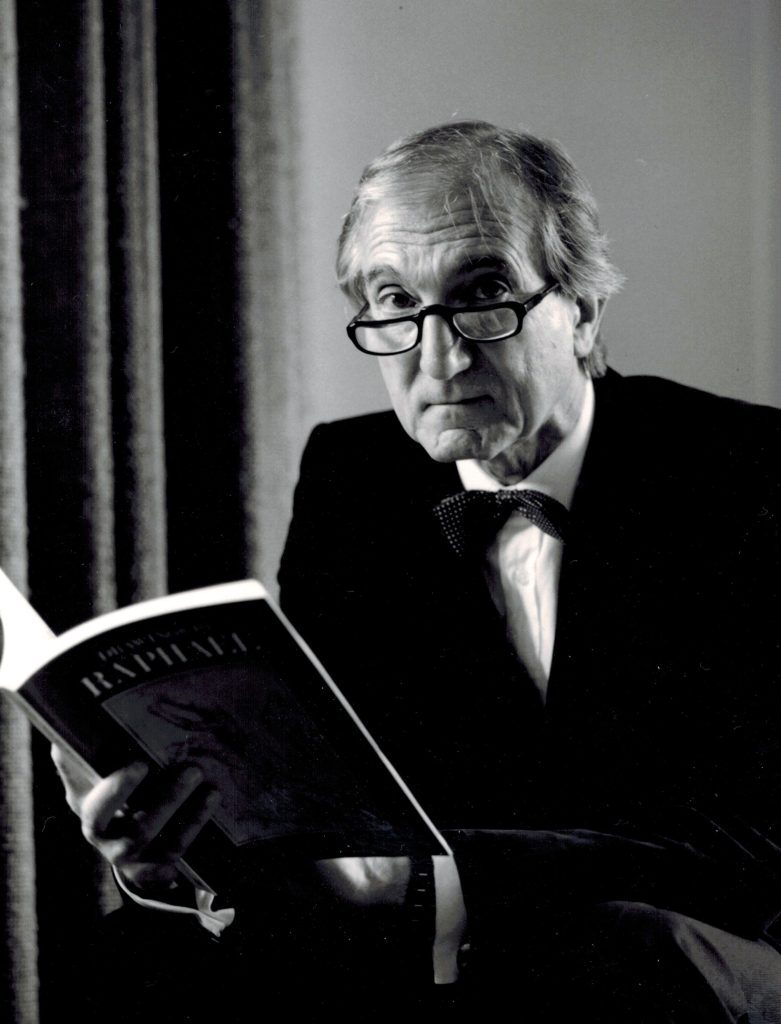
Architect, theoretician, educator.
Born in Baghdad, 6 December 1926
Died in London, 10 April 2020
This award was established in 2017 as part of the Tamayouz Excellence Award programme of championing and celebrating the best of architecture. The prize is named after Dr Rifat Chadirji (1926), a great Iraqi architect who has left an incredible impact on the built environment of Iraq and whose influence and importance, which extends beyond built projects, remains greatly felt today.
The Rifat Chadirji Prize is a thematic, open ideas, international prize focusing on design proposals responding to local challenges and opportunities.
The primary objective is to establish an accessible source of ideas to respond to social challenges through design.
Professional Practice
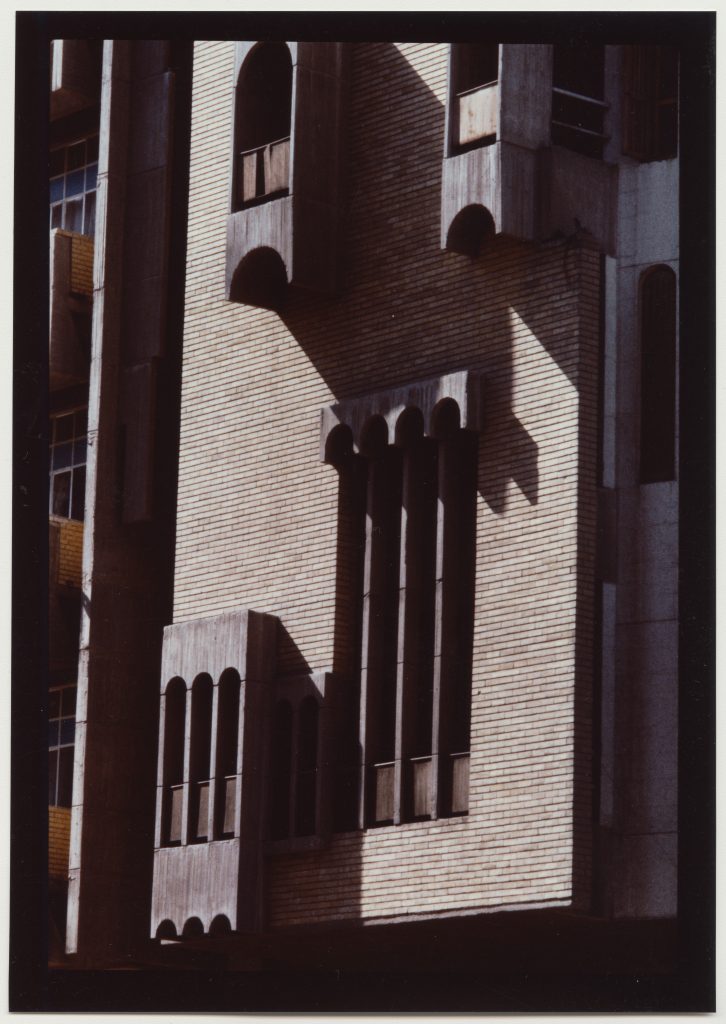
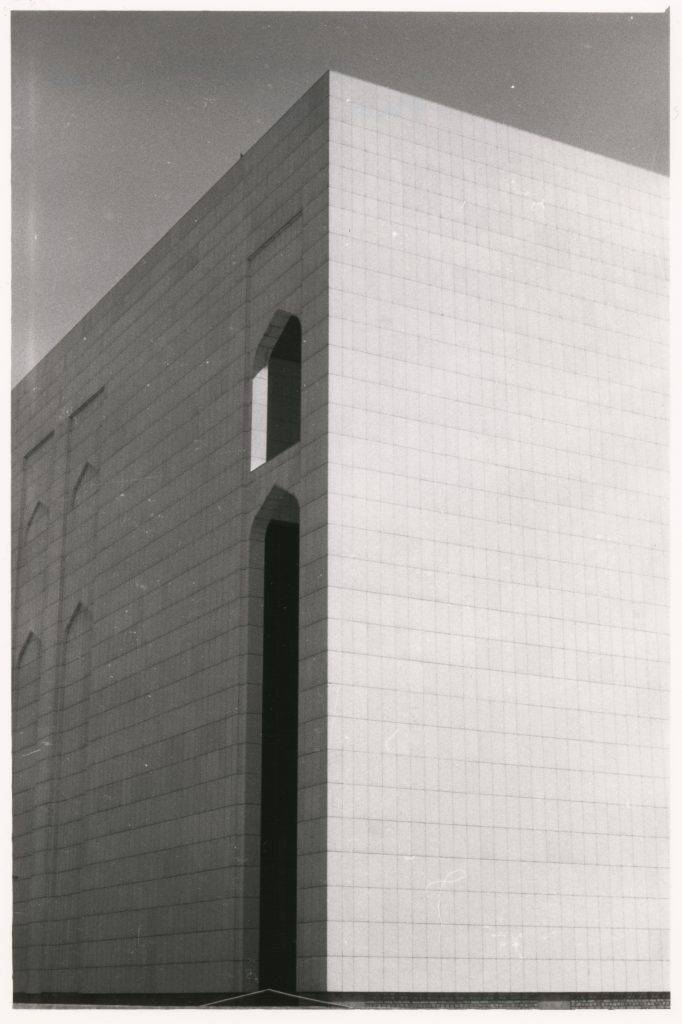
Dr Rifat Chadirji is widely recognised as one of the most influential figures in modern Iraqi and Arab architecture. His work shaped the architectural identity of Iraq during the second half of the twentieth century and continues to inform contemporary debates on modernity, heritage and regional expression.
More than one hundred projects were designed under his direction, many of which combined international modernist principles with forms and spatial ideas rooted in the architectural traditions of Iraq.
Following his passing in 2020, new scholarship and research reaffirm his significance and international media and academic institutions continue to cite his contribution to architecture and architectural theory.
Rifat founded Iraq Consult IQC in 1952 and served as its principal until 1978. The practice delivered projects across a wide range of scales and types, including public buildings, industrial facilities, educational projects, urban studies, furniture and product design and landscape and garden design. His work sought to reconcile the demands of contemporary life with Iraq’s cultural and environmental character.
Official Appointments
- Director of the Building Department, Waqf Administration, 1954 to 1957.
- Director of Unit II for Health and Education Buildings, Public Works Department, 1957 to 1958.
- Director General of the Housing Department, Ministry of Planning, 1958 to 1959.
- Director General of the Planning Department, Ministry of Housing, 1960 to 1963.
- Counsellor to the Mayoralty of Baghdad, 1980 to 1982.
Awards and Honours
- Bronze Medal, Barcelona International Furniture Design Competition, 1964.
- Honorary Fellow, Royal Institute of British Architects, 1982.
- Chairman Award, Aga Khan Award for Architecture, 1986.
- Honorary Fellow, American Institute of Architects, 1987.
- Sheikh Zayed Book Award, 2008.
- Tamayouz Excellence Award Lifetime Achievement, 2015.
- Honorary Doctorate, Coventry University, 2015.
The Chadirji Foundation
- Chadirji Foundation for Architecture and Society, Lebanon.
- Annual Chadirji Award for Lebanese Students of Architecture, 2000 to 2025.
Selected Publications
- Portrait of a Father, 1985.
- Taha Street and Hammersmith, 1985.
- A Collection of Twelve Etchings, 1985.
- Eight Etchings of Photographs by Kamil Chadirji, 1985.
- Concepts and Influences, 1986.
- The Photography of Kamil Chadirji: Social Life in the Middle East 1920 to 1940, 1991.
- The Ukhaidir and the Crystal Palace, 1991.
- Dialogue on the Structure of Art and Architecture, 1995.
- The Seating Status in Arif Agha’s Household, an anthropological study on identity and artefacts, 2001.
- Introduction to The Biography of Kamil Chadirji and the History of the National Democratic Party, 2002.
- A Wall Between Two Darknesses, 2003.
- Introduction to the Book of Ahali Newspaper Editorials, 2003.
- Dialectics: Causality of Architecture, 2007.
- The Characteristics of Beauty in Man’s Consciousness, 2013.
- The Role of the Architect in the Development of Human Civilization, 2014
Legacy
Dr Rifat Chadirji’s architectural and theoretical work continues to shape contemporary thinking on architecture in the Middle East and beyond. His extensive photographic archive of more than 80,000 photographs at the MIT Documentation Centre remains an essential resource for the study of Iraq’s social and architectural history.
Recent academic and technological research reflects the ongoing relevance of his ideas and the enduring impact of his built and written work.